understand
Unlocking a booming growth rate: EU and UK Alcohol-Free Spirit Markets Soar – Don’t Miss Out!
Section 1: The Present Landscape
In the world of drinks A quiet revolution is taking place and changing the way we experience our drinks. The old tradition of alcohol-based beverages dominating social gatherings is going through a transformation with a particular focus on regions like the European Union (EU) and the United Kingdom (UK). Alcohol-free or non-alcoholic spirits are carving a niche for themselves on the market, as well as their growth rate is truly remarkable.
A Market Booming
The market for alcohol-free spirits in the EU and the UK is experiencing a phenomenal growth. It’s been a long time since people who didn’t drink or were looking for more healthful alternatives were restricted to sparkling water or sweet soft drinks. Nowadays, a wide selection of alcohol-free spirits fill the shelves of bars and supermarkets catering to an audience who seeks sophistication, but not the excessive alcohol.
Changes in Market Size, and trends
To appreciate the magnitude the impact of this change, let’s delve into some statistics. Recent studies have revealed this: the EU in addition to the UK alcohol-free spirit market is set to be worth [bold]a,!X billion[/bold] by [bold]20XX[/bold]. The growth in this market is not the result of a coincidence, but a reflection of evolving consumer tastes.
Key Players and Their Contributions
The market’s ascent owes much to the trailblazing efforts of key players like [bold]Seedlip[/bold], [bold]Borrago[/bold], and [bold]Lyre’s[/bold], among others. These brands have elevated the art of making alcohol-free spirits to new heights creating drinks that capture their essence in traditional spirits but without the alcohol in the mix.
consumer preferences and emerging brands
The rise of alcohol-free spirits is directly tied to changing consumer tastes. Today’s customers are more health-conscious in their choices, are more discerning and more socially aware. They want drinks that are in line with their values. And alcohol-free spirits match perfectly. Additionally, consumers are looking for new, flavorful alternatives to traditional alcoholic drinks.
As demand from consumers has grown and new brands have sprung up to respond to the ever-growing market. These brands are marked with authenticity, innovation and unwavering dedication to the highest quality.
Possible Possibilities
This rapid growth, which is driven by changes in consumer behavior can offer exciting possibilities to companies looking to tap the EU as well as the UK spirits market that are alcohol free. The possibilities are endless but in order to leverage it efficiently, you must first understand the driving forces of this incredible transformation.
In the next part, we’ll dissect these driving forces and examine the causes behind the increase of alcohol-free spirits and the implications this means for businesses aiming to be successful in navigating this new landscape.
In the first section We’ve laid the groundwork in presenting the current environment of the EU and UK the alcohol-free spirit market. We’ve covered the market’s size major players, as well as the changing preferences of consumers. In Section 2, we will dive deeper into the main reasons behind this market’s incredible growth.
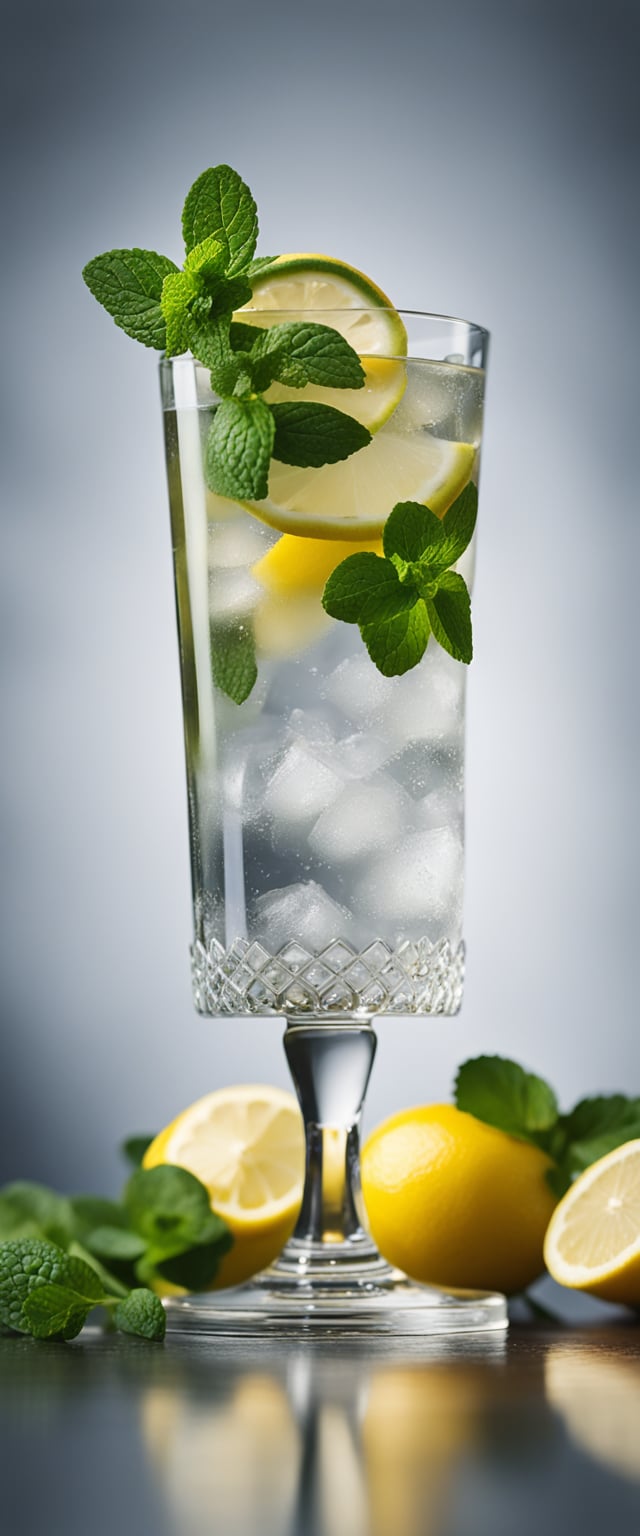
What is driving the explosive Growth in the EU and UK alcohol-free spirit Market?
Section 2: Unveiling the driving Forces
In our previous post that we covered, we began a journey through the burgeoning world of alcohol-free spirits in Europe, the EU or the UK. The staggering growth of the market paints an enthralling picture of its potential, but what’s driving this revolution? In this section we’ll dive into the key factors driving this expanding industry.
1. The latest trends in health and wellness
BoldHealth-conscious consumers are reconsidering their choices for beverages. Bold Concerns concerning the negative impacts of drinking alcohol have prompted many to seek alternatives that let them have a drink while not compromising their overall health. Alcohol-free spirits serve the growing population by providing the best quality and safety option. Concepts such as “low ABV” (alcohol by volume) and “zero-proof” are now buzzwords in health and wellness sphere, indicating significant changes in consumer preference.
2. Social Dynamics are Changing Social Dynamics
As society evolves, so do our social dynamics. Traditional expectations of drinking heavily as a central element of social gatherings are fading. People today are opting to enjoy more diverse and inclusive experiences. Alcohol-free beverages allow everyone to join in the festivities without feeling secluded. They foster a sense of acceptance that fits with the modern day ethos of socializing.
3. The Rise of Mixology and Craft Cocktails
ItalicCraft the art of mixing cocktails has been sweeping the globe. Italic The art of mixology has evolved beyond alcohol, and has bartenders and drinkers exploring the endless possibilities for alcohol-free spirits. The most complex and flavorful cocktails are crafted, challenging the definition of what a cocktail should be. The range of drinks allows mixologists to play using a myriad of flavors, resulting in an explosion in non-alcoholic drinks.
4. The Support of the Regulators
Government regulations and policies are crucial in the development of industries. In recent years, the regulatory bodies in the EU and the UK have shown a willingness to facilitate and aid the growing popularity of alcohol-free spirits. The support for this includes clearer specifications for labeling, allowing alcohol-free spirits to make more clear regarding their ingredients and advantages. Such measures build trust among consumers.
5. Environmental and ethical issues
The quest for sustainability to consume ethically is no longer a fringe movement but is a trend that is global. Alcohol-free spirits tend to align with these issues. They are produced using less carbon footprint as compared to traditional spirits. They are typically vegan-friendly. The use of ethical practices when sourcing ingredients and fair trade principles make them more appealing.
6. A shift in preferences for taste
Consumers’ tastes have evolved, seeking distinctive and varied flavour experiences. Alcohol-free spirits respond to this demand with a wide range of options. From botanically-infused options and alcohol-free whiskeys resembling those smoky notes from the original, these spirits cater to an elevated taste profile. Consumers are no longer willing to compromise on flavor and spirits without alcohol have risen to the task.
7. Marketing and branding
Effective branding and marketing have played a crucial role in raising awareness about alcohol-free spirits. Brands that have succeeded in communicating their products’ quality the taste, health, and advantages have been successful. The clever marketing strategies and endorsements by influential personalities have reached wider audiences, sparking curiosity and boosting sales.
8. Accessibility
The ease of access to alcohol-free spirits has grown in significant ways. They are readily available at restaurants, bars, and retail stores. Online shopping platforms have also played a key role in making these items accessible to shoppers, regardless of their location.
9. Competitive Pricing
As demand has grown, competition has grown. This has led the way to more competitive pricing, making alcohol-free liquor an affordable choice for a broad range of people.
What’s Next?
As we’ve observed, a variety of reasons are behind the explosive growth that is taking place in the EU and UK market for alcohol-free spirits. In the next segment we’ll discuss the challenges and opportunities businesses should expect to face as they traverse this burgeoning world.
Within Section 2, we’ve examined those driving factors behind the increase in alcohol-free spirits in the EU and the UK. Now, in Section 3, we’ll analyze the problems and opportunities that companies that operate in this market are expected to encounter.
Your Direct Source for Excellence: Order Boxes of Swedish Distillers’ Alcohol-Free Spirits Now!
Navigating the Challenges and Opportunities in the EU and UK Alcohol-Free Spirit Market
Section 3: Road Ahead
In the earlier sections, we’ve explored the impressive rise and the forces that drive that EU as well as the UK Spirits that don’t contain alcohol. The industry is growing however, what’s next? In this sector, we will navigate through the challenges and opportunities that businesses in this market will likely to face.
Challenges
1. Regulatory Hurdles
While regulatory support is a major driver, navigating the evolving landscape of regulations can be a issue. Staying compliant with labeling requirements and ensuring responsible advertising of alcohol-free spirits is important. This requires businesses to monitor legislative changes.
2. Consumer Education
Many people aren’t familiar about alcohol-free spirits. Making sure potential customers are aware of the advantages, flavors and the variety of these products is crucial. Brands need to invest into marketing campaigns that focus on the benefits of their offerings.
3. Competition
The market is continuing to grow there is a growing competition. Brands must differentiate themselves and continuously innovate to stay relevant. This can be done by developing new flavors, improving packaging, as well as exploring unique distribution channels.
4. Scaling Production
Meeting the rising market demand for spirits without alcohol may be a struggle for smaller producers. Scaling production while maintaining the quality is crucial to keep current with the rapid growth in market.
5. Taste perception and Quality
To overcome the notion of alcohol-free spirits not having the depth of flavor or the quality of alcohol-based counterparts is a continuous task. Brands should invest in research and development in order to develop spirits that compete with their alcohol equivalents in taste and quality.
Opportunities
1. Diverse Flavor Profiles
The demand for diverse flavors presents a substantial possibility. Brands can look at unusual and new ingredients to develop unique and attractive alcohol-free spirits.
2. Health and Wellness Focus
The constant effort to stay in tune with the latest trends in health and wellness offers a tremendous opportunity. Brands are able to capitalize on the beneficial health effects of alcohol-free spirit that include lower consumption of calories and fewer hangovers, to inform their marketing strategies.
3. Collaborations and Mixology
Collaborations with bars, restaurants and mixologists can provide spirits that are alcohol-free to an even wider market. Brands are able to collaborate with experts in the creation of exciting and delicious cocktails that are not alcoholic.
4. Sustainability
Incorporating sustainability and ethical ways of sourcing can be significant selling point. Consumers are increasingly attracted by products that are in line with their ideals.
5. Direct-to consumer sales and E-commerce
With the rise of e-commerce, brands can expand their reach beyond physical stores. Building a strong online presence and allowing direct sales to consumers can be a game changer.
What’s Next?
As we’ve seen, direction for businesses operating that operate in the EU and UK alcohol-free spirit market is paved with challenging opportunities and challenges. In the following section, we’ll go over strategies to succeed in this ever-changing landscape in order to ensure that your company stays ahead of trends.
Within Section 3 we’ve reviewed the opportunities and challenges facing businesses operating in this EU in the EU and UK the alcohol-free spirits markets. Now, in Section 4 we’ll look at strategic ways to compete in this rapidly evolving industry.

Strategies to be Successful within the EU and UK Alcohol-Free Spirit Market
Section 4: Finding the Competitive Landscape
Since the EU as well as the UK alcohol-free spirit market continues to grow the importance of businesses to stay ahead of the competition effectively. In this article this article, we’ll review strategies and best practices to ensure your brand’s success in this dynamic and increasingly competitive market.
1. Product Innovation
In a market that is flooded with choices, innovation in product design is your partner. Continuously study and design new products and flavors to attract consumers. Experiment with unique ingredients and blends that stand apart. Try incorporating herbs, botanicals and exotic fruit to create distinctive unforgettable alcohol-free spirit.
Pro Tips Conduct surveys among consumers as well as gather feedback from them to help understand people’s preferences and requirements. Use this data to tailor your product development efforts.
2. Brand Differentiation
Being distinctive in a crowded industry requires you to have a strong brand story and a distinctive identity. Explain what makes your business distinct and the reasons why consumers should choose your alcohol-free spirits in preference to others. Insist on factors like your commitment to sustainability, quality, and ethically sourced products.
Pro Tip Develop a brand story that is a hit with your target audience. Let your customers know about your brand’s experiences, values, as well as the workmanship behind your products.
3. Collaborations and Partnerships
Collaborations can offer a fresh approach and increase your reach. Join forces with restaurants, bars and mixologists in the creation of exclusive cocktails made without alcohol that showcase your products. These partnerships can help introduce your brand to a wider crowd and tap into the knowledge of industry experts.
Tips When collaborating to collaborate, ensure that your business values are aligned with the values of your collaborators by creating genuine and significant connections.
4. Cyber-Marketing and Electronic Commerce
A well-established online presence is an absolute requirement in today’s marketplace. Invest in a user-friendly website and make it more optimized for online shopping. Make use of social media platforms to interact with your customers as well as share recipes for cocktails and also run targeted ad campaigns.
Pro Tip: Use data analytics to get a better understanding of your audience on the internet better. Make sure your content and marketing strategies to match their preferences and behavior.
5. Consumer Education
Educating consumers about the benefits and benefits of alcohol-free spirits is a crucial part. Make informative content with webinars, blogs, and on social channels. You can offer virtual tasting sessions to showcase your products. An educated customer is more likely to be able to appreciate its value products.
Pro Tip: Develop FAQs and guides that address common consumer questions about spirits that are alcohol-free. Make these resources available to help consumers make informed decisions.
6. Sustainability and ethical practices
The public is increasingly aware of the need for sustainability and ethical practices. Incorporate these values into your business by sourcing ingredients responsibly, reducing your carbon footprint, while also supporting charitable initiatives. Your commitment to sustainability should be highlighted on your corporate identity.
Pro Tips Sharing the sustainability effort in an open manner on your site and on social media. Transparency can build trust with consumers.
What’s Next
In the fourth section we’ve reviewed the essential strategies to navigate the market’s competitive landscape. EU and UK alcohol-free spirit markets. But, the process doesn’t stop here. In the coming section we’ll look at more long-term growth strategies. We’ll also look at what the future holds for this industry that is booming.
When we finish Section 4, we’ll continue our examination of that EU and UK alcohol-free spirit market in Section 5. In the following segment, we’ll examine the long-term development prospects and the future trends shaping this dynamic industry.
Section 5: What’s to come for the EU and the UK Drinks that are Alcohol Free Market
The trip through the exciting spirit market that is alcohol free across Britain and in the EU and UK will conclude with our final segment. In this segment, we’ll take a glimpse into the future and examine possible growth trends in the coming years and emerging trends that are shaping the landscape of this exciting industry.
The Market that is Growing
As we’ve observed in the previous sections, the non-alcoholic spirit industry in both the EU and UK has seen rapid growth in the last few years. The need for high-end, alcohol-free alternatives is no any longer a trend but an important shift in consumer preferences. The trend is expected to continue on its upward path.
The Key Drivers of Growth
Different factors are behind the continuing growth of market for spirits that are alcohol-free:
-
Health and Wellness: As consumers become more conscious of their health, they are seeking alternatives that allow them to have mixed drinks and cocktails without the harmful effects of alcohol.
-
Innovative Products: The market will see an unending flow of innovative and diverse alcohol-free spirit products. Brands are exploring new flavor profiles and ingredients, and production methods.
-
Mixology Culture: The rise of mixology culture or craft cocktail is boosting the demand for premium alcohol-free spirits. Bartenders and mixologists are crafting complex non-alcoholic cocktails, further expanding the appeal of these drinks.
-
Sustainability: The use of sustainable and ethical practices is growing in importance. Brands who place sustainability at the forefront of the sourcing of ingredients, packaging and production will most likely gain a competitive edge.
Consumer Education and Awareness
The development of alcohol-free spirit market depends on education for consumers. With more consumers becoming aware of the options there are, they’ll hunt for information about the best ways to use spirits made without alcohol in cocktails blend them with food and integrate the usage of these spirits into their everyday lives.
FAQs on Alcohol-Free Spirits
Q1 Does alcohol-free spirit really alcohol-free?
A1: Alcohol-free spirits contain no or an extremely small amount of alcohol, usually less than 0.5 percent ABV (alcohol per volume). This makes them safe to consume without the intoxicating effect of alcoholic beverages.
Q2: Can I use alcohol-free spirits into cocktails?
A2: Alcohol-free spirits can be utilized as a base for cocktails, similar to traditional spirits. They work well in classic cocktails like Mojitos, Cosmopolitans, and Negronis. You can experiment to create unique drinks that are not alcoholic.
Q3 Do alcohol-free spirits taste similar to their alcohol-based counterparts?
A3 Most alcohol-free spirits try to resemble the taste that traditional spirit brands offer. While some get close but taste may differ between brands and products. It is best to look at different options to find the flavors you prefer.
How Technology Can Play a Role Role of Technology
Technology will play an essential role in the industry’s future. E-commerce and online sales will continue to expand and provide consumers with a simple way to access alcohol-free spirits. Experiences with brands, online tastings, and personalized recommendations based on AI will increase the level of engagement with customers.
The Conclusion Prosperous Future
As part of this collection, we’ve explored the vast and ever-changing landscape of the EU and UK alcohol-free spirit market. From its genesis and history up to commercial strategies, as well as the competitive landscape, we’ve uncovered the complexity of this emerging market.
When we conclude our exploration, it’s clear that the market for alcohol-free spirits isn’t just a trendy trend as such, but an evolving trend that is changing our perception of and consume alcohol. With a dedication to quality and innovation, as well as sustainability and consumer education companies can succeed in this exciting marketplace.
Thank you for coming along in this adventure through to the realm of alcohol-free spirit. It doesn’t matter if you’re a manufacturer looking to be noticed or a consumer in search of unique alternative options that satisfy Future prospects are a numerous opportunities within this growing sector.
We hope you’ve found this information and inspiration. We’re looking forward to the future of spirit without alcohol in the EU and the UK!
Seizing the moment Exploring the Urgent Opportunities in the EU and UK Market for Alcohol-Free Spirits
The spirit world is going through major changes. The days of drinking alcohol would be the sole choice for those wanting to experience the nutty flavors and aromas of exquisitely created drinks. In today’s health-conscious and mindful society, the demand for alcohol-free alternatives is growing exponentially. This huge shift is creating plenty of opportunities for and around the European Union (EU) and United Kingdom (UK) alcohol-free spirit market.
The Boom in Alcohol-Free Spirits
The Rise of Non-Alcoholic Alternatives
The increased interest in alcohol-free spirits may be due to a increased awareness of negative effect of drinking alcohol has on well-being and health. Increasingly, individuals are adopting a cautious approach to their consumption habits, preferring quality over quantity. The Spirits that are alcohol-free are experiencing unprecedented growth.
Over the last few years, consumers have exhibited a preference towards alternatives that allow them to experience the diverse taste and sensory sensations traditionally associated with spirits without the euphoric effect of alcohol. The juniper-like scent of gin or subtle whiskey undertones, these alcohol-free alternatives are designed to mimic the flavor and aroma of their alcohol-based counterparts.
Statistics show this trend. Sales of alcohol-free spirits have surged, and numerous brands have emerged to satisfy the demands. Notably, established distilleries are also joining the movement with their experience to make high-end spirit that is alcohol-free and caters to discerning palates.
Die Health and Lifestyle Change
The popularity of alcohol-free spirits is partly driven through the desire for delicious alternatives, healthy living is now a predominant factor. A majority of consumers are opting for non-alcoholic options to keep the health of their lives, reduce alcohol-related hangovers and decrease their alcohol consumption in general.
The trend towards healthier lifestyles extends to the wider wellbeing movement, which sees consumers tend to prioritize mindfulness and self-care. In this case, choosing alcohol-free spirits allows people to indulge in the art of mixing drinks and cocktails but without compromising their health.
As the market continues evolving, opportunities abound for businesses that can tap into the well-being-conscious customer base. The need to grab the opportunities is never more apparent.
Understanding the EU and UK Market
Market Overview
Before we dive into the specific opportunities available in both specific opportunities within the EU and UK alcohol-free spirits market, it’s vital to understand the current state of affairs. Both regions have seen significant rise in the consumption of alcohol-free spirits.
In the EU countries, such as Germany, France, and Spain have emerged as significant markets for alcohol-free alternatives. These countries, famous for their diverse culinary traditions and their love of fine drinks, have embraced alcohol-free spirits with enthusiasm. Companies have responded to this by providing many alcohol-free options to cater to the needs of these markets.
The UK is a vibrant country, with a vibrant cocktail scene and a strong attraction to wellness is another hotspot of alcohol-free spirits. London is one of the most popular. London has seen a rise in dedicated establishments and bars with a rise in demand for elegant alcohol-free drinks.
Landscape Landscape
The process of navigating how to operate in EU and UK alcohol-free spirit market requires a detailed comprehension of the regulatory environment. The regulations governing production or labeling of alcohol-free spirits may differ between different countries and regions.
In the EU the production of spirits without alcohol usually comes under the same guidelines as alcoholic beverages. This requires adherence to very strict standards of quality and requirements for labeling. It’s important for businesses to ensure that they’re compliant with EU regulations to have access to this market.
In the UK the regulatory environment is affected by both EU laws and regulations as well as domestic laws. Clear and precise labels is crucial to inform consumers of what alcohol is in the products.
The understanding of these regulations is essential for businesses that wish to flourish with respect to the EU and UK alcohol-free spirit markets. In addition, compliance with the law ensures legality but also builds trust with the consumer.
After having explored the growth and dynamic of the market for alcohol-free spirits and set the stage with a foundational knowledge on market dynamics in EU and UK market. It’s now time to study the potential that await in these regions. In the next part we’ll uncover the consumer segments that are gaining momentum driving market demand, and also the newest product offerings that are revolutionizing the industry scene.
Take advantage of this time to fully realize your potential to profit from this exciting market.
Your Direct Source for Excellence: Order Boxes of Swedish Distillers’ Alcohol-Free Spirits Now!
Niche Markets and Emerging Trends across the EU and UK Alcohol-Free Spirit Industry
Through our study of this EU and UK alcohol-free spirit markets, we’ve previously revealed the vast increase in this market, driven by conscious consumers and mindful drinking. Now, it’s time to explore the depths of this dynamic market to understand the specialized segments and new trends that are reshaping the market.
The Craft Alcohol-Free Spirit Movement
Artisanal Excellence without Alcohol
one of the most fascinating developments within the market for alcohol-free spirits is the rise of craft spirits producers dedicated to creating exceptional alcohol-free alternatives. These craftsmen bring the same amount of passion and expertise to alcohol-free spirits just like traditional distillers have to their alcohol-based counterparts.
Craft spirits that do not contain alcohol are characterized by their complex and refined flavor profiles. They typically contain botanicals, spices and herbs, expertly distilled to perfection. They aren’t just substitutes, but distinctive creations that are their own attracting those who want to enjoy a sophisticated non-alcoholic taste.
Craft Distilleries along with Experimental Offerings
Craft distilleries across the EU and UK are leading this movement, trying out novel ingredients and new distillation techniques. For example, a gin alternative that is infused with exotic botanicals, or an alcoholic drink inspired by whiskey with smokey undertones. These offerings are extending the range of alcohol-free spirits.
People are attracted to craftsman-made products due to their authenticity honesty, transparency, as well as a passionate love for quality. By supporting these artisanal producers customers feel more connected to the craft and open to exploring special flavor profiles which commercial brands might not provide.
Targeting Niche Consumer Segments
The Rise of Zero-Proof Cocktails
As the need for alcohol-free spirits expands and so does the desire in zero-proof cocktails, also known as “mocktails.” This trend is a particular hit within restaurants, bars, and even home mixologists. Mixing up creative and alcohol-free drinks is now a cult art, with the market for high-quality spirits that are alcohol-free to make these concoctions is soaring.
Zero-proof drinks aren’t just suitable for non-drinkers and designated drivers They are appealing to all looking for a refreshing elegant drink that does not have the negative impacts of alcohol. It is the case in EU and UK the increase in cocktail that are zero proof has led to partnerships between bartenders and alcohol-free spirit brands to develop unique recipes and enhance the overall drinking experience.
Attracting the Health-conscious Generation
The segment of the consumer who is health conscious is the driving force behind the popularity of alcohol-free drinks. The group is focused on well-being and mindfulness, seeking products that reflect their lifestyle values and values.
Companies that are able to highlight the advantages of drinking alcohol-free spirits, such as reduced calorie content or the absence of any alcohol-related health risks and are likely to grab the attention of this segment. Furthermore relationships with health and wellness experts and experts can boost the credibility of the brand.
Eco- and sustainability Focus
sustainable production and packaging
Environmental awareness is a critical factor in influencing consumer choices within The EU as well as in the UK. Brands operating in the alcohol-free spirit industry are responding by adopting sustainable practices for the production process and their packaging.
Craft distilleries, and in particular the UK, are committed to sustainability. They source locally whenever possible to reduce water usage and use eco-friendly distillation techniques. Packaging innovations, including biodegradable and recyclable packaging, are also gaining popularity.
Stay Ahead in the Right Direction
As we move through the EU and UK alcohol-free spirit markets, it’s evident that niche market and new trends are driving the transformation of this industry. From craft producers redefining non-alcoholic spirits, to the rise of zero-proof drinks and the growing emphasis on sustainability, the opportunities are endless for companies that are willing to invent and meet the evolving demands of consumers.
In the next segment in the next section, we’ll consider the significance of marketing and branding strategies that connect with the target market, and highlight the major issues and solutions within this expanding market.
Stay tuned for more information on the best ways to position your alcohol free spirit brand to be successful within your home country of EU and UK.

Marketing and branding strategies in the EU and UK Alcohol-Free Spirits
Our research into this EU and UK alcohol-free spirit market we’ve seen the increasing demand for these innovative drinks, the rise from craft alcohol-free liquors, and the unique consumer segments which are fueling the expansion of this industry. Now, it’s the time to delve into the critical realm of marketing and branding strategies that could set the alcohol-free spirit you sell in a crowded marketplace.
Making a Brand Strong Identity
The art of crafting and Authenticity
In the world of alcohol-free spirits, creating an effective brand image is essential. People will choose brands that exude professionalism sincerity, authenticity, and unwavering commitment to excellence. To make your brand a leader in the market Consider the following tactics:
- “Tell your Story Tell the story of your brand in a way that highlights the passion and commitment that go into the creation of alcohol-free spirits.
- Transparency You must be transparent with your production processes, ingredients, and sources. Transparency builds trust among consumers.
- Visual Identity invest in visually appealing logos and packaging designs that reflect the uniqueness of your brand’s values.
Invoking Emotion
Alcohol-free spirits are typically associated with positive emotions such as the feeling of well-being, celebration and the ability to be mindful. Utilize these emotions in order to bring your audience to you on a a deeper level:
- Interactive Storytelling Storytelling: Create stories or marketing campaigns that are resonant with the emotional aspect of drinking spirits that are alcohol-free. The story should highlight the joy, peace, and social connections.
- Inclusive Messaging The message should emphasize that alcohol-free beverages are open to all regardless of whether or not they prefer to drink or are designated drivers or simply are looking for the healthier option.
Successful Marketing Strategies
Digital Presence and Content Marketing
In today’s age of digitalization, a strong online presence is essential. Make sure that your business is visible and engaging on various digital platforms:
- Site Optimization You can invest in an attractive website that showcases your products, offers detailed details, and has the blog section for content marketing.
- Social Media Engagement: Keep active Facebook and Twitter accounts so that you can connect with your audience as well as share content that is valuable, and conduct targeted advertising campaigns.
- educational content: Create content that educates the consumer about the advantages, tastes and the versatility of alcohol-free spirits. This could include blog articles, videos, and infographics.
Collaborations and Partnerships
Working with similar brands as well as influencers could increase your reach and establish credibility.
- Bartender Collaborations: Partner with bartenders to create recipe for zero-proof cocktails by using alcohol-free spirits. These collaborations can generate buzz and attract mixologists as well as cocktail enthusiasts.
- Influencer Partnerships Search for influencers in the wellness as well as lifestyle and alcohol-free sector who share your brand values. Collaborate with them to create authentic content and be more accessible to a broader audience.
Navigating through the New Challenges and Looking ahead
While the alcohol-free spirit market offers a wealth of opportunities however, it also brings its share of challenges. A few consumers may have perceptions of the taste and quality of alcohol-free alternatives. Overcoming these hurdles requires perseverance, endurance, and constant innovation.
In our next section we’ll examine some of the most pressing issues in the sector and suggest strategies to deal with the issues. In addition, we’ll look at what the future holds for the EU and UK spirits market that are alcohol-free and predict future trends that will affect its evolution.
Keep watching as we arm you with the information and strategies necessary to excel in this dynamic and exciting market.
Issues, Strategies and Challenges for the EU and UK Alcohol-Free Spirit Market
In our journey through the world of alcohol-free spirits in the EU and UK we’ve praised the growing popularity of these innovative beverages and uncovered the fundamentals of branding and marketing strategies. It’s now time to tackle the issues that companies face in the current market and give strategies to deal with them.
New Challenges in the Alcohol-Free Spirit Industry
Consumer Misconceptions
One of the major challenges lies in the consumer’s misconceptions regarding the quality and taste of alcohol-free spirits. Some consumers still feel that these spirits have bland or unpleasant flavors. For this reason, it is important to consider these strategies:
- Taste Education Let consumers be educated about the diverse flavors and complexities of alcohol-free spirits. Hosting tasting events or virtual tastings that showcase the depth and quality of your products.
- sampling programs: Offer sample-sized bottles or packs, which allow people to sample your spirits without alcohol before making the purchase of a complete bottle.
Regulatory Compliance
The complex regulatory landscape surrounding alcohol-free spirits may be a daunting task. Rules regarding labeling and distribution as well as production vary from one country. In order to ensure compliance,
- Consulting Legal Experts Find legal counsel or experts in regulatory matters who are skilled in laws governing alcohol and beverages to ensure your business is compliant with all necessary regulations.
- Careful Labeling Create transparent and comprehensible labels that accurately represent the alcohol content of your products and ingredients.
competition and differentiation
With the expansion of the market for alcohol-free spirits competition is intensifying. To be noticed:
- Innovate Product Continuously innovating by creating new flavours, packaging, or distinctive production methods.
- Differentiation Highlight the things that make your distinctive, whether it’s sustainable initiatives, unique ingredients or a memorable story behind your brand.
Strategies to Survive Amounts
Consumer Education
A knowledgeable consumer is more likely to drink alcohol-free beverages. Take a look at these strategies for education:
- Online resources Create comprehensive online resources that explain the production process, the ingredients and potential health benefits of your product.
- Customer Support Helping customers with excellent assistance to resolve inquiries and concerns quickly.
Sustainability Initiatives
The consumer is increasingly concerned about sustainability. Accept eco-friendly methods:
- Eco-Packaging Use sustainable packaging materials, and clearly state your commitment to sustainable development.
- Local Sourcing Use local sources for ingredients when you can, while reducing your carbon footprint.
Alliances and Collaborations
Collaborations can increase your credibility and reach. Consider:
- Retail Partnerships Co-operate together with retailers to present your products prominently in store or online.
- Industrial Alliances: Join alliances and associations in the industry to keep up-to-date with the latest developments and network with other brands of alcohol-free spirits.
What’s the Future for Alcohol-Free Spirit Market
As we address these challenges and devise strategies to conquer these challenges, it’s important to look ahead. In our next segment we’ll discuss what’s in store for the EU and UK spirits market that are alcohol-free in order to identify emerging trends and opportunities that brands need to keep an eye on.
Stay tuned as we navigate the exciting and thrilling path ahead for this exciting and expanding industry.
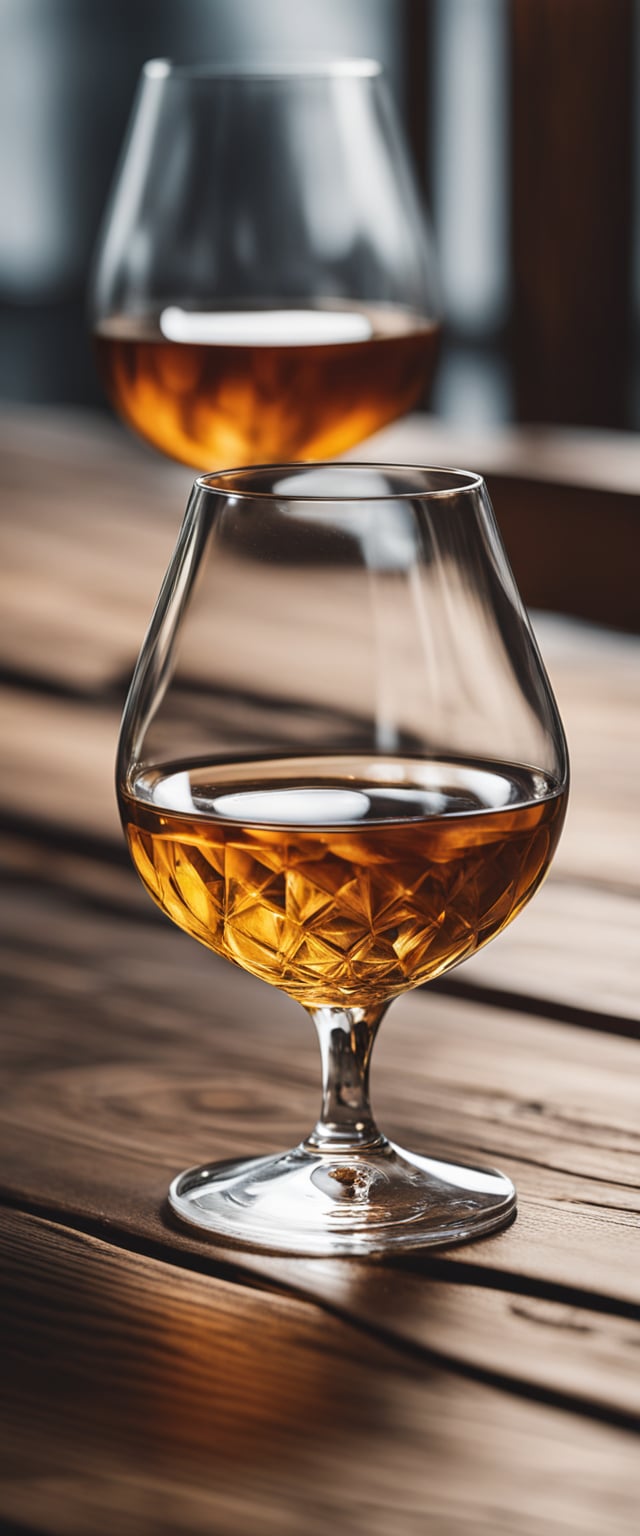
The Future of EU and the UK Affirmative of Alcohol Free Spirit Market: Trends and Opportunities
As we come to the end of our exploration on the EU and UK alcohol-free spirit market, we look toward the future. There are exciting opportunities and trends are awaiting brands operating in this dynamic market.
New Trends in the Alcohol-Free Spirit Market
1. Diverse Flavor Profiles
In the next few years we will see an ever-wider array of flavors to come into the market. The tastes of consumers are becoming more adventurous, and brands are responding to this with unique botanical blends such as exotic fruit infusions also aromatic spices.
2. Premiumization
Just as the trend of enhancing premiumization led to a shift in the alcoholic spirit industry and we expect a similar shift in the alcohol-free market. Brands will be investing in top-quality ingredients and production techniques which will offer consumers a superior experience.
3. Sustainability as an International Standard
Sustainability will no longer be an exclusive selling point, it will become a norm. Companies that promote eco-friendly practices by sourcing ingredients sustainably and using recyclable packaging will get an edge in the market.
4. Mocktail Culture
The rise of alcohol-free mocktails or drinks will continue to grow. These sophisticated alcohol-free options are making waves in restaurants and bars and are a great chance for alcohol-free liquor brands to collaborate with establishments.
Possibilities on the Horizon
1. International Expansion
With the EU and UK markets growing Brands should look at expanding their business internationally. Markets in Asia, in the Middle East, and North America show great promise for alcohol-free spirits.
2. Health and Wellness Partnerships
Collaborations with health and wellness brands, influencers, and even events can help alcohol-free spirits brands reach health-conscious buyers seeking alternatives to alcohol.
3. E-Commerce Dominance
E-commerce’s growth provides an ideal opportunity for direct to consumer sales. Brands must invest in user-friendly websites, web-based marketing, and ecommerce strategies for a better grasp of this booming market.
Recap and Conclusion Recap
In this five-part series we’ve journeyed through this EU as well as the UK spirits market that is alcohol free to discover its rise in popularity, branding and marketing strategies, the challenges, and strategies for overcoming these challenges. We’ve also examined emerging trends and opportunities awaiting brands in this dynamic industry.
The appeal of alcohol-free spirits in Europe is undisputed. Consumers are seeking healthier, more sustainable drinking alternatives and the market continues to prosper. Companies that emphasize innovation quality and sustainability, as well as global expansion will be most likely to prosper in the years to ahead.
We thank you for taking us on this fascinating adventure through the world alcohol-free spirits. We hope that this series provided you with valuable knowledge as well as inspiration for your journey through this ever-changing and exciting market.